Learn how aluminum casting supports high-tech product development
The Development of Light Weight Aluminum Casting Techniques
Over the years, various cutting-edge strategies have changed aluminum spreading, greatly enhancing its effectiveness and accuracy. The advancement began with traditional sand casting techniques, which, while reliable, frequently led to incongruities in surface finish and dimensional accuracy. The intro of die casting in the mid-20th century permitted faster production rates and improved high quality, as liquified light weight aluminum was compelled right into mold and mildews under high pressure, minimizing porosity and boosting information.
More advancements included financial investment spreading, which gave also better resistances and elaborate layouts. The emergence of computer numerical control (CNC) technology additionally changed mold style, making it possible for suppliers to create complicated geometries with remarkable precision. Today, additive manufacturing methods, such as 3D printing for developing mold and mildews, are on the increase, enabling quick prototyping and minimized preparations. In general, these innovations have actually substantially influenced the aluminum casting process, accommodating a broader range of commercial applications.
Benefits of Aluminum in Manufacturing
Aluminum has become a recommended product in production because of its unique combination of properties that enhance efficiency and effectiveness across different applications. Its lightweight nature enables reduced power consumption during transportation and setting up, making it an affordable choice for numerous industries. Furthermore, light weight aluminum shows exceptional rust resistance, making sure durability and lowering upkeep expenses.
ght ratio enables the manufacturing of durable yet light-weight parts, which is particularly valuable in fields such as automotive and aerospace. Aluminum additionally provides superb thermal and electric conductivity, making it appropriate for a selection of commercial applications, including electronic devices and warm exchangers.
Furthermore, light weight aluminum's pliability enables elaborate layouts and simple fabrication, promoting the production of complex forms without compromising structural honesty (aluminum casting). These advantages jointly add to light weight aluminum's expanding prominence in contemporary production processes, driving development and improving product performance throughout a wide variety of industries
Innovations in Aluminum Casting Modern Technology
As developments in manufacturing technology remain to evolve, developments in light weight aluminum casting have emerged, boosting effectiveness and accuracy in manufacturing procedures. Amongst these developments is the intro of sophisticated simulation software, which permits manufacturers to design the casting procedure practically. This technology allows the forecast of possible issues and maximizes mold and mildew layout, inevitably minimizing material waste. Furthermore, the development of new alloys has expanded the series of applications for aluminum spreadings, boosting mechanical homes and deterioration resistance.
The adoption of 3D printing for mold and mildew production has changed the spreading process, making it possible for the development of complex geometries that were previously unattainable. This change not only shortens lead times yet also assists in personalization in manufacturing. On the whole, these advancements contribute greatly to the top quality and flexibility of aluminum spreadings, positioning them as a vital part in the future of making technology.
Effect On Manufacturing Efficiency and Expense Decrease
While the improvement of light weight aluminum casting modern technologies presents many benefits, its most remarkable effect depends on improving manufacturing efficiency and driving expense decrease. By enhancing the spreading process, makers can create intricate components with higher rate and precision, significantly lessening waste. Innovations such as high-pressure die casting and progressed mold and mildew designs permit quicker cycle times and enhanced dimensional precision, which reduce rework and scrap rates.
The lightweight nature of aluminum contributes to lower transportation expenses and energy usage during production. As an outcome, suppliers can achieve substantial economic climates of scale, eventually decreasing the per-unit price of items. The capacity to generate high-quality spreadings in bigger amounts additionally makes it possible for companies to respond even more quickly to market demands - Aluminum Foundry. These performance gains and price financial savings position aluminum spreading as an affordable benefit in the manufacturing landscape, fostering additional investments in technology and capability growth
Applications of Light Weight Aluminum Casting Throughout Industries
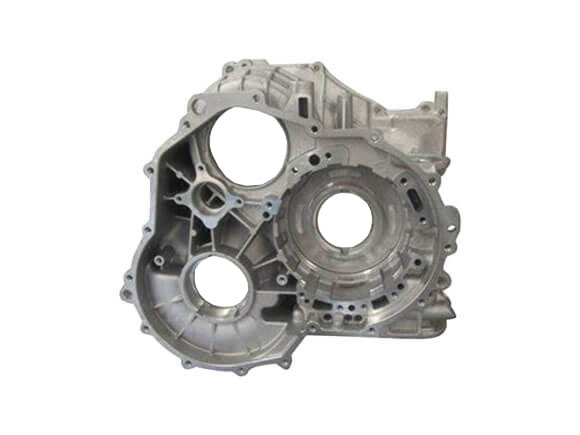
The flexibility of aluminum casting has actually resulted in its prevalent fostering across numerous industries, maximizing the benefits of lightweight, resilient elements. In the auto field, aluminum spreadings are used for engine blocks, transmission real estates, and wheels, contributing to fuel effectiveness and performance. The aerospace market employs aluminum spreadings for architectural components, where weight decrease is crucial for flight efficiency. Furthermore, the customer electronics industry leverages light weight aluminum casting for gadget real estates and components, boosting sturdiness while keeping a smooth design. The building industry additionally takes advantage of light weight aluminum spreadings, using them in home window frames and building elements that need both strength and aesthetic allure. Furthermore, the clinical field utilizes light weight aluminum castings for tools and gadgets, where accuracy and reliability are vital. Generally, the varied applications of aluminum spreading throughout these industries demonstrate its essential duty ahead of time contemporary manufacturing methods.

The Future of Aluminum Spreading in Manufacturing
Development in light weight aluminum spreading modern technology promises to reshape manufacturing processes in the coming years. Advances such as 3D printing and computer-aided style are enhancing manufacturing, enabling much more complicated geometries and lowered waste. The integration of automation and robotics enhances effectiveness, allowing manufacturers to create top notch parts with marginal human treatment. Additionally, the advancement of brand-new aluminum alloys increases stamina and durability, expanding the possible applications in fields like aerospace and auto.
As sustainability becomes a concern, recycling capabilities within aluminum spreading will certainly enhance, lessening ecological effect. The implementation of wise manufacturing strategies, consisting of IoT and information analytics, will certainly better enhance manufacturing operations and maintenance practices. These developments not only enhance functional effectiveness yet likewise lower costs, making light weight aluminum casting a much more attractive alternative for producers. Ultimately, the future of light weight aluminum casting holds assurance for technology, sustainability, and boosted competitiveness in the global market.
Frequently Asked Questions
What Security Actions Are Entailed in Aluminum Casting Processes?
Precaution in light weight aluminum website link spreading procedures consist of safety equipment, see this appropriate ventilation, training on tools usage, routine maintenance of equipment, tracking of molten metal temperature levels, and adherence to security protocols to stop mishaps and assurance worker health.
Just How Is Aluminum Casting Eco Lasting?
Light weight aluminum casting is environmentally lasting because of its recyclability, power effectiveness, and lowered greenhouse gas exhausts. The usage of recycled light weight aluminum substantially decreases the power needed for production, decreasing environmental impact while saving natural deposits.
What Are Usual Problems in Light Weight Aluminum Castings?
Typical flaws in aluminum castings include porosity, shrinking, misruns, cold shuts, and incorporations. These problems can occur from improper temperature level control, insufficient mold style, or contamination, influencing the general quality and stability of the last item.
Can Light Weight Aluminum Casting Be Reused?
Yes, aluminum casting can be recycled. The reusing process decreases power consumption and ecological impact, permitting the reuse of light weight aluminum in new items. This sustainability aspect improves its allure in various manufacturing sectors.
What Industries Primarily Utilize Aluminum Spreading?
Light weight aluminum casting is mainly made use of in the automotive, aerospace, consumer products, and electronic devices sectors. These sectors take advantage of light weight aluminum's light-weight, corrosion-resistant residential properties, boosting product performance, efficiency, and toughness throughout numerous applications and components.
Over the decades, different ingenious methods have actually changed light weight aluminum spreading, significantly enhancing its efficiency and accuracy. As innovations in making modern technology proceed to develop, developments in light weight aluminum casting have emerged, boosting performance and accuracy in production procedures. While the improvement of aluminum casting modern technologies introduces various benefits, its most notable effect exists in improving manufacturing effectiveness and driving price decrease. The aerospace sector uses light weight aluminum spreadings for structural components, where weight decrease is important for flight performance. Light weight aluminum spreading is ecologically Our site lasting due to its recyclability, energy efficiency, and reduced greenhouse gas exhausts.